Reviews
Originally published 27 Sep 2026 · 9 min read
The Lepas L6 Has Arrived With Very Little Left on the Options List
One feature. Then another. Then another. We examine the mid-size SUV that asks how much car buyers should expect for their money — the Lepas L6 Javan and Pantera, from R469,900.
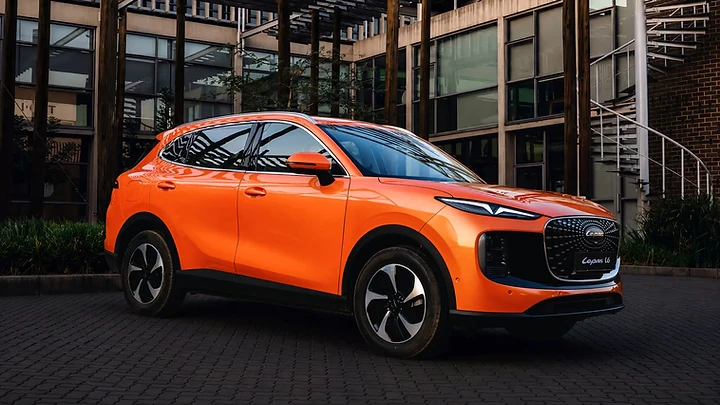
There is a particular moment when a new car stops looking like an interesting newcomer and starts looking like a serious proposition.
It usually happens when you stop looking at the badge and start reading the specification sheet. One feature. Then another. Then another. And eventually you find yourself asking the slightly awkward question:
“What, exactly, did they leave off?”
That is the interesting thing about the new Lepas L6. It arrives in South Africa with a 1.5-litre turbocharged engine, a six-speed dual-clutch transmission, 19-inch alloy wheels, a panoramic sunroof, powered tailgate, 13.2-inch infotainment screen, wireless Apple CarPlay and Android Auto, 50W wireless charging and a 540-degree HD surround-view camera.
And that is before we get to the driver-assistance technology.
The L6 is the latest addition to Lepas's growing South African range, and it is aimed squarely at buyers who want their family SUV to feel like more than basic transportation. For DWL Vehicle of the Month, that makes it an interesting car to examine.
This is a proper-sized SUV
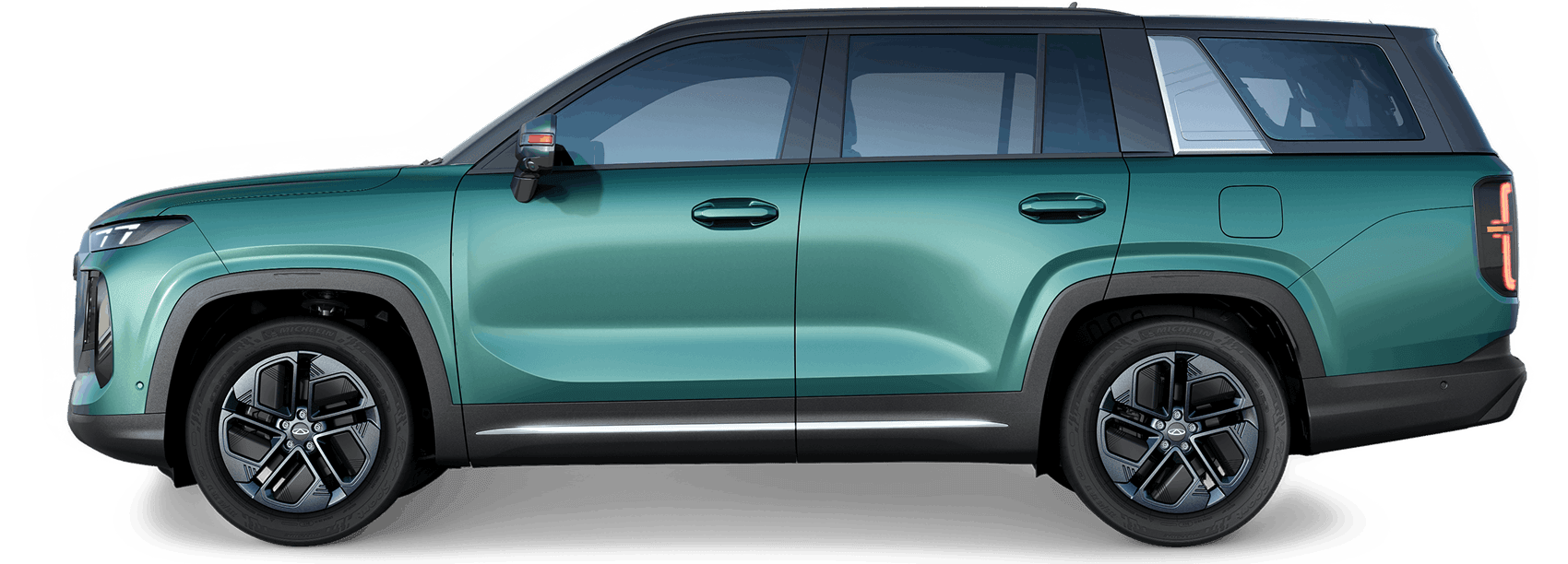
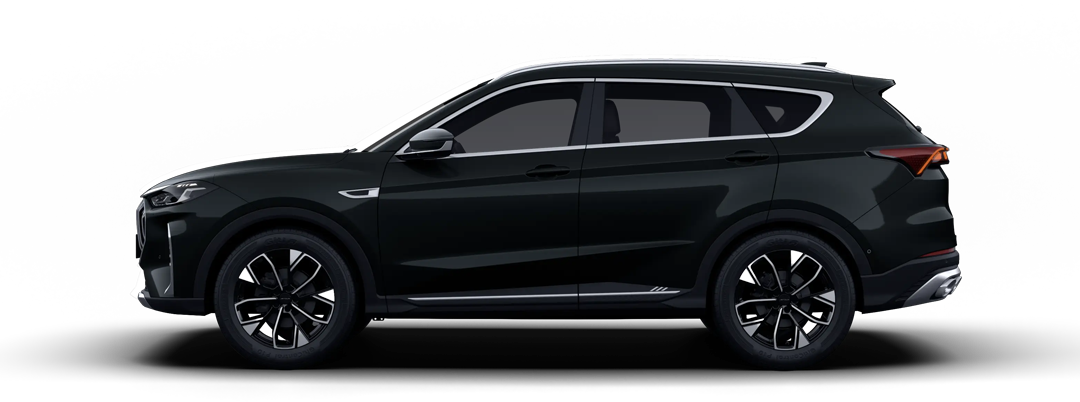
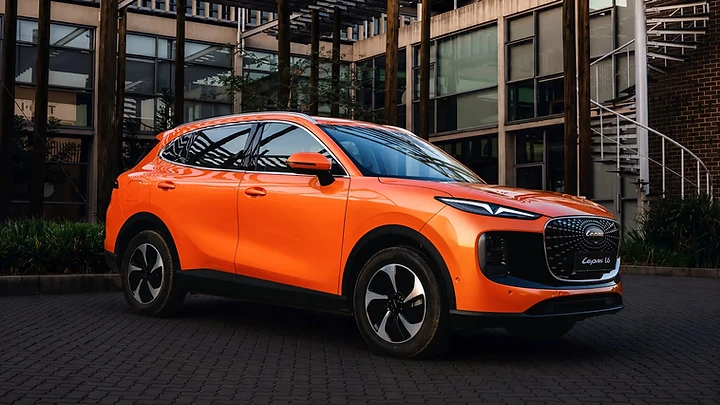
At 4,554mm long, 1,852mm wide and with a 2,700mm wheelbase, the L6 has the proportions of a substantial family SUV rather than a small crossover wearing SUV clothing. It seats five. The luggage compartment offers 435 litres with the rear seats upright and expands to 1,255 litres when the 40:60 split rear seats are folded.
That makes the L6 interesting before you even turn the key, because this is one of the most competitive parts of the South African market. Buyers want space. They want technology. They want safety. They want something that looks expensive. And increasingly, they want all of that without paying purely for a familiar badge.
The L6 has clearly been designed around that expectation.

Then you drive it
This is where a specification sheet stops being enough.
I've spent time behind the wheel of the L6, and one of the first things that stood out was its take-off. The numbers don't immediately suggest that this is a performance-oriented SUV — it has 108kW and 225Nm, after all. But from a standstill, the L6 feels more eager than I initially expected. There is a stronger initial response when pulling away, giving the car a sense of urgency that isn't necessarily obvious from the specification sheet.
It isn't about turning the L6 into a sports car. It is about that everyday moment when the traffic light changes, you pull into a gap or need the car to respond without feeling lazy. That is where the L6 makes a good first impression.
The six-speed DCT is an important part of that experience, because the engine and transmission have to work together smoothly in exactly those everyday situations. And that is something you only really understand once you drive the car.

108kW, 225Nm and a six-speed DCT
Under the bonnet sits a 1.5-litre turbocharged petrol engine producing 108kW at 5,500rpm and 225Nm between 1,750 and 4,000rpm. Power goes to the front wheels through a six-speed dual-clutch transmission, and there are three driving modes: Eco, Normal and Sport.
Lepas quotes combined fuel consumption of 7.2L/100km, while the fuel tank holds 51 litres.
This isn't trying to be a performance SUV. It doesn't need to be. The L6's job is different. It needs to be comfortable enough for the daily commute, responsive enough when you need to get around slower traffic and relaxed enough to cover serious kilometres when the weekend escape begins.
The combination of turbocharged petrol power and a dual-clutch transmission is familiar territory in this class. What matters is how well the package works together on the road. That is something a specification sheet can suggest — it cannot completely answer.
Then you start looking at the equipment
This is where the L6 becomes difficult to ignore.
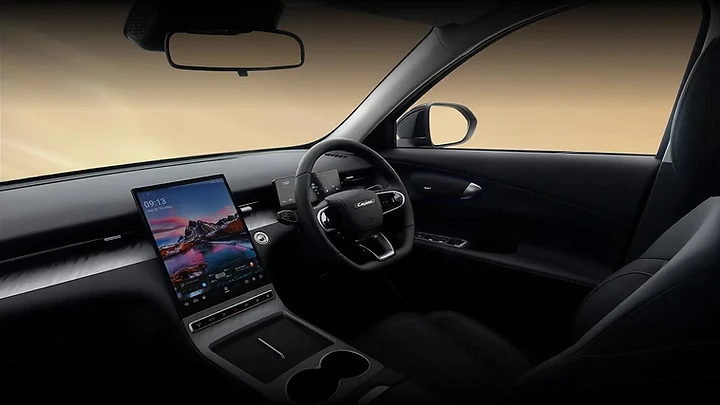
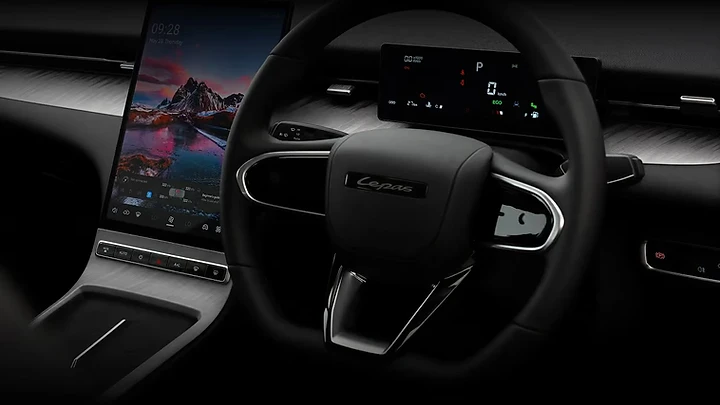
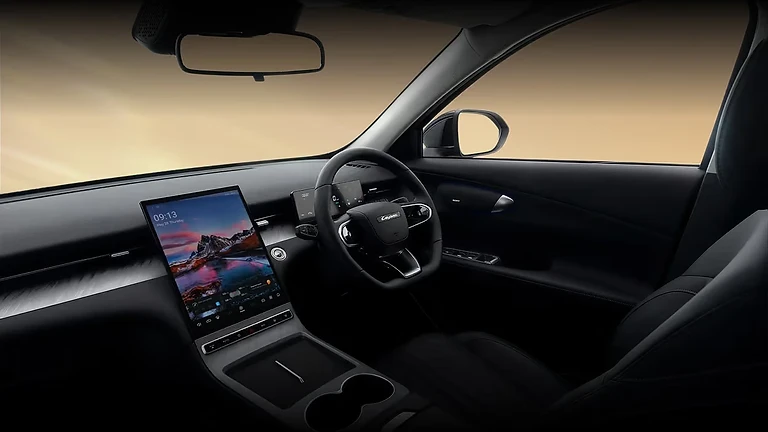
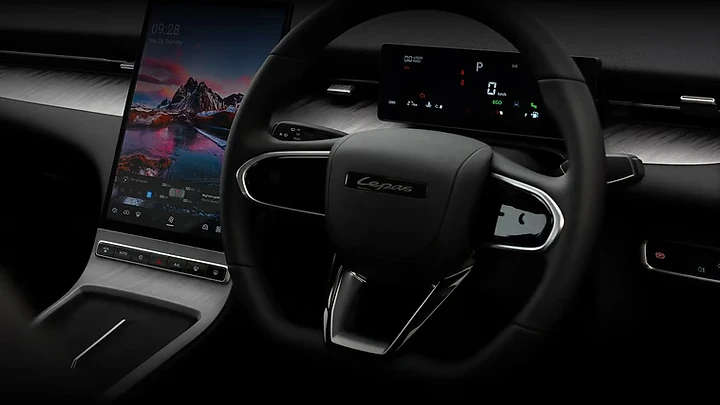
The L6 comes with 19-inch alloy wheels, LED headlights, LED daytime running lights, LED taillights, automatic headlights and a panoramic sunroof. Inside, there is a 13.2-inch infotainment screen paired with an 8-inch instrument display.
Wireless Apple CarPlay and Android Auto are standard. So is 50W wireless charging. There are two Type-C ports up front and USB plus Type-C connectivity for rear passengers, along with dual-zone automatic climate control, faux-leather upholstery, electrically adjustable front seats and a selection of storage solutions around the cabin.
The specification doesn't feel as though someone stopped halfway through the equipment list. It feels as though the list was written with the modern buyer in mind.

The 540-degree camera is more than a party trick
There was a time when a reverse camera felt like luxury equipment. Now you wonder how anyone managed without one. The L6 goes considerably further.
Its 540-degree HD surround-view camera system gives the driver a much more comprehensive view around the vehicle. For a 4.5-metre SUV, that matters. Tight parking bays. Concrete pillars. Kerbs. Narrow entrances. Johannesburg shopping-centre parking lots designed by someone who apparently dislikes SUVs.
The camera system, combined with front and rear parking sensors, is designed to make manoeuvring a large vehicle easier and more predictable. It is the sort of technology that sounds extravagant on a specification sheet but can become surprisingly useful once you live with it.

Safety is part of the package
The L6's standard safety equipment includes ABS, Electronic Brakeforce Distribution, Brake Assist, Electronic Stability Control, Hill Start Assist, Hill Descent Control, electronic parking brake, Auto Hold and tyre-pressure monitoring. There are also front, side and curtain airbags, ISOFIX child-seat anchors and front and rear parking sensors.
The electronic assistance package includes systems such as:
- Blind Spot Detection
- Door Opening Warning
- Rear Cross Traffic Alert
- Rear Cross Traffic Braking
- Lane Change Assist
- Multi-Collision Braking
The Pantera adds further driver-assistance and comfort equipment. That distinction matters: the L6 isn't simply one vehicle with two names. The Javan and Pantera give buyers a choice in how much equipment and technology they want around the same fundamental powertrain.

The cabin is where the L6 makes its argument
A specification sheet can tell you that a vehicle has five seats. It cannot tell you whether those seats actually make sense.
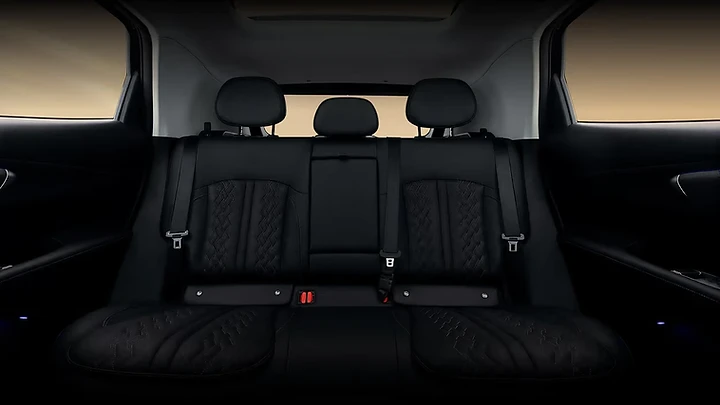
The L6 has a 40:60 split rear bench, three rear headrests, rear reading lights, rear air vents, centre armrests and multiple storage compartments. The driver's seat has six-way electric adjustment and the front passenger seat has four-way electric adjustment. There is a multifunction steering wheel, dual-zone climate control and a 12V outlet in the luggage compartment.
The details are small. Collectively, they are what make a vehicle easier to live with. And that is where the L6's equipment list starts making more sense. It isn't about having the longest list. It is about having the things you actually use.

Javan or Pantera?
Now we reach the interesting bit. Both derivatives use the same basic powertrain — 1.5-litre turbo petrol, 108kW, 225Nm, six-speed DCT, front-wheel drive — so the decision isn't about choosing a more powerful engine. It is about how much equipment you want around that engine.
Manufacturer-recommended pricing at the time of publication; subject to change. E&OE.
The Javan provides the core L6 package, while the Pantera adds further comfort, audio and driver-assistance technology. That R30,000 difference therefore needs to be considered in terms of the equipment you actually value. And that is exactly the sort of question a good car-buying conversation should answer.
The numbers that matter after the showroom
There is another set of figures worth knowing. The L6 comes with a 5-year/150,000km vehicle warranty, a 10-year/1,000,000km engine warranty, and a 5-year/75,000km service plan, subject to the applicable manufacturer terms.
Those numbers matter because buying a car isn't simply about the day you collect it. It is about what happens at 20,000km. 50,000km. 100,000km. And eventually when the new-car smell has disappeared and the L6 has become part of everyday life. That is when warranty and service-plan coverage stop being brochure language and become part of the ownership equation.
So, is the L6 actually interesting?
The easy answer would be to call it “feature-packed”. That phrase has been used so often in the automotive industry that it has almost stopped meaning anything. The more interesting question is whether those features form a coherent package.
The L6 has the dimensions. It has the turbocharged engine. It has the technology. It has the space. It has the safety equipment. It has the warranty and service support. And it enters a market where buyers have more choice than ever.
That means the L6 cannot rely on novelty forever. Eventually the panoramic roof becomes normal. The large screen becomes normal. The wireless charger becomes normal. Even the 540-degree camera becomes something you stop mentioning.

What remains is the car itself. How it drives. How it rides. How comfortable it is after two hours on the N1. How easily the boot swallows a family's luggage. How the DCT behaves in traffic. And whether, six months after buying it, you still feel that you bought the right car.
That is the test that matters.
DWL Vehicle of the Month
The Lepas L6 is an interesting addition to South Africa's SUV market because it isn't relying on one headline feature. It is trying to put the whole package together — space, technology, safety, comfort and design — in a specification that starts at R469,900, with the Pantera taking that formula further at R499,900.
The result is a pair of SUVs that deserve to be considered on their own merits rather than dismissed simply because the badge is new. And that is precisely why the L6 earns its place as the DWL Vehicle of the Month from 1 October 2026. Not because it is automatically the right SUV for everyone, but because it asks a very relevant question of the segment:
“How much car should buyers expect for their money?”
Could the Lepas L6 be your next SUV?
L6 Javan — from R469,900 · L6 Pantera — from R499,900
Would you like to compare the Javan and Pantera, see what your monthly repayment could look like, and arrange a test drive? Drive With Lesedi can help you compare the derivatives, explore finance options, arrange a trade-in and guide you through the process from enquiry to delivery — on 078 317 4929 or drivewithlesedi.co.za.
Monthly repayments displayed on Drive With Lesedi are indicative estimates and depend on vehicle price, deposit, term, interest rate, fees, balloon payment where applicable and final credit approval. Prices and vehicle availability may change. E&OE.
Explore This Vehicle

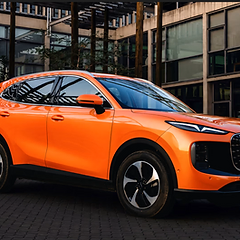
Lepas L6
Part of the Drive With Lesedi line-up — current pricing, full specs and honest guidance.
Ready to Experience It?
Take the next step — Lesedi will guide you from here. No pressure, no fine print.