Buying Advice
Originally published 9 Sep 2026 · 1 min read
What Is Sport Mode — and Does It Actually Do Anything?
That little 'S' button changes more than you think — throttle response, gear shifts, steering and sometimes even the suspension. Here's what Sport mode does, when to use it, and what it costs you at the pumps.

What Sport mode actually changes
Sport mode isn't a magic extra engine — it's a settings profile. Press that button and the car changes how three or four systems respond:
- The accelerator — the same pedal travel now produces a bigger throttle opening, so the car feels keener and more responsive.
- The gearbox — it holds lower gears longer and downshifts earlier, keeping the engine in its power band.
- The steering — on most cars the weighting firms up for a sportier feel (the feel is the point; it doesn't add grip).
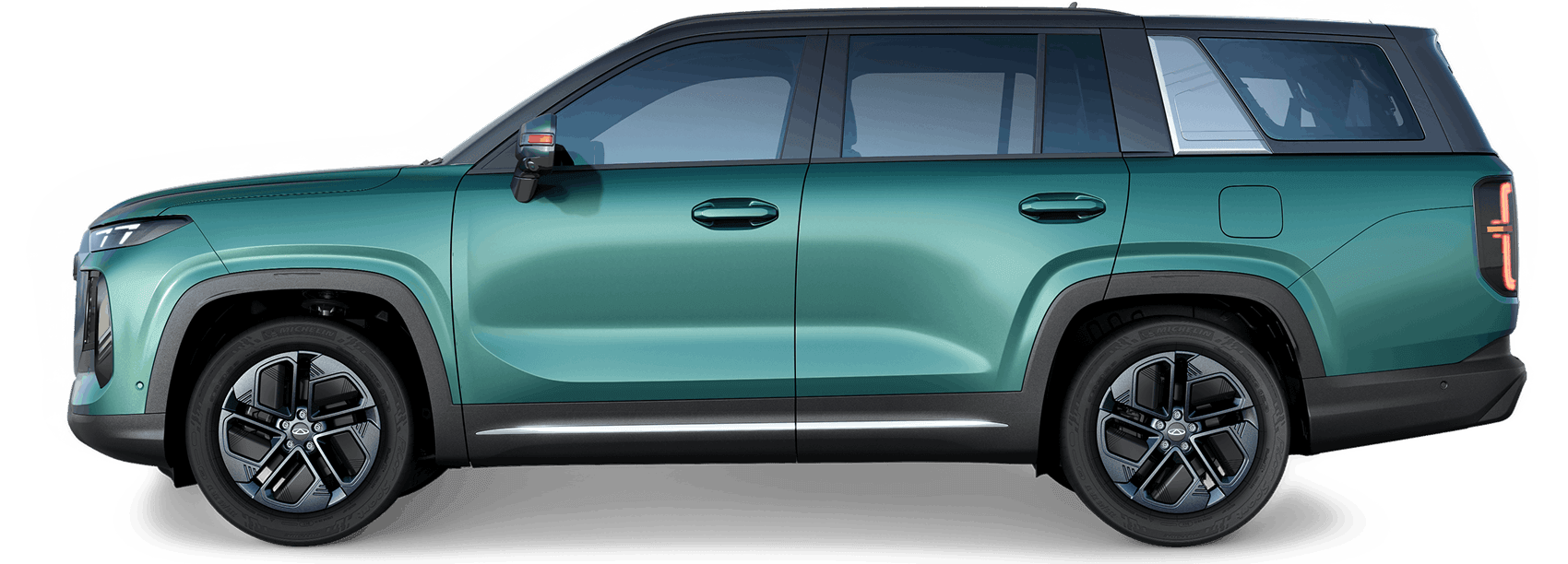
- The suspension — on adaptive-suspension cars like the Tiggo 9, the dampers firm up to reduce body roll.
Does it make the car faster?
Slightly — you'll get quicker in-gear response and better overtaking punch. But 0–100 times barely move. What you really gain is confidence: the car reacts the way you expect it to when you need it.
What it costs you
Fuel. Holding lower gears means higher revs, so expect roughly 5–10% more consumption in everyday driving. In stop-start traffic it's pointless — you're just burning petrol to feel sporty at 40 km/h.
When I actually use it
- Overtaking on a single-lane road, where response matters.
- A mountain pass or a fast back road with corners.
- Loading onto the highway with passengers and luggage.
Everywhere else, leave it in Normal. Want to feel the difference on a real road? Book a test drive and try both modes back to back — it's the best way to understand what that button is really for.
Have questions about your next car?
Talk to Lesedi — real guidance on budget, finance and the right car for your life. No pressure, no fine print.